
 Deutsch
 English
 Chinese

COP31 in Antalya: VCAC President Professor Michael Zhengmeng Hou chairs two side events on GCRRF and 4CUS
The proposed GCRRF climate finance mechanism and 4CUS technologies for a circular carbon and energy economy
On 16 November 2026, Prof. Dr.-Ing. Michael Zhengmeng Hou, President of the Chinese Alumni Association of TU Clausthal (VCAC) and professor at Clausthal University of Technology, organised two side events in Room B345 in the Blue Zone of the 31st United Nations Climate Change Conference (COP31) in Antalya, Türkiye. The events focused on the Global Climate Responsibility and Resilience Fund (GCRRF) and on Carbon Capture, Circular Conversion, Renewable Natural Gas Production & Underground Storage, and Residual Sequestration (4CUS). Professor Hou chaired both events, delivered a keynote presentation at each and moderated roundtables with guests and delegates from several countries and institutions.
The GCRRF side event, held from 09:00 to 11:00, examined how to share climate responsibility, direct funding to the regions that need it most and verify the protection that funded projects provide. The 4CUS side event, from 11:30 to 13:00, focused on using carbon dioxide as a resource, underground energy storage and technical cooperation. Through presentations, roundtables and open Q&A sessions, the two events brought research on climate governance mechanisms and low-carbon energy technologies into the same programme.
Clausthal University of Technology led the organisation of the two events. The co-organisers were the Springer Nature journal Carbon Neutral Systems (CNS), the China–Iraq Belt and Road Joint Laboratory on Oil and Gas Energy at Southwest Petroleum University, and the university’s School of New Energy and Materials. The 12-member TU Clausthal team is attending COP31 to present its research and pursue international collaboration.
GCRRF keynote on turning climate finance into verifiable protection
At the first side event, Professor Hou presented his policy proposal for a Global Climate Responsibility and Resilience Fund. Climate risks cross borders, and the impacts of disasters can spread through infrastructure and public services. The proposal links responsibility for funding, priorities for support, project delivery and feedback on results so that climate finance commitments can translate into protection for local communities.
The proposed formula for contributions combines cumulative national emissions, cumulative per capita emissions, consumption-adjusted per capita emissions over the past five years, and ability to pay. The proposed baseline weights are 35%, 35%, 15% and 15%, respectively. Priorities for support would primarily reflect economic and social losses and exposure to sea-level rise, particularly in low-lying areas. The proposal also provides additional routes to support for specific risks in places such as inland mountain regions and transboundary river basins. The criteria are proposed for discussion and testing through pilots. The details remain subject to international negotiation.
Professor Hou also proposed incorporating open procurement, local capacity building, long-term operation and maintenance, and monitoring, reporting and verification (MRV) into project delivery. For vulnerable regions with limited capacity to prepare projects, he proposed early-stage support so that access to funding would depend less on the ability to prepare applications. The framework addresses both where funding goes and how projects can keep operating once completed.
GCRRF roundtable on putting the proposal into practice
After the keynote, Professor Hou moderated a roundtable on how to put the proposed initiative into practice. The panellists were Chilekwa Mibenge, a Commonwealth adviser on climate finance and health, Mohamadou Sow, Deputy Director for Climate and Green Economy at Mauritania’s Ministry of the Environment and Sustainable Development, Abduljabbar Ibrahim, who works in climate governance and communications in Nigeria, and Sameh Sawafta, who works in payment oversight and sustainable finance at the Palestine Monetary Authority.
The discussion connected access to climate finance with national policy implementation, financial oversight and public participation. The Commonwealth Climate Finance Access Hub provides technical assistance and builds capacity to help vulnerable countries prepare projects and access funding. Work on climate and health highlights resilience needs in water supply, sanitation and public health. For national climate authorities, international funding rules also need to fit domestic plans, implementing institutions and project priorities.
Experience in payment oversight and sustainable finance helped connect the flow of funds with disclosure and verification of outcomes. The governance and communications perspective raised questions about how communities understand funding rules, participate in projects and flag problems. These perspectives related directly to the proposed priorities for support, open procurement, local training, and long-term operation and maintenance. They also offered different ways to assess whether GCRRF could work in practice.
International perspectives on climate responsibility and resilience
Professor Hou proposed developing the institutional arrangements, running voluntary pilots for two to three years and commissioning an independent evaluation. The rules could then be revised in light of the results. The presentation and roundtable gave participants from different countries and fields an opportunity to learn about the proposal and ask questions.
4CUS keynote on using carbon dioxide and storing energy underground
The second side event, which began at 11:30, focused on 4CUS. Dr Jincai Xu, Director-General of the International Center on Small Hydro Power and Secretary-General of the International Network on Small Hydro Power, welcomed participants. Professor Hou then delivered his keynote “From CCUS to 4CUS for a Circular Carbon and Energy Economy”, introducing 4CUS as a development of carbon capture, utilisation and storage (CCUS). He presented the team’s research on underground biomethanation, circular use of carbon resources and energy storage.
4CUS explores whether depleted oil and gas reservoirs with suitable geological conditions can serve as underground bioreactors. Methanogenic microorganisms convert carbon dioxide and hydrogen into renewable natural gas composed primarily of methane. The research examines how this process could be combined with underground gas storage, oil and gas recovery, and geological storage of carbon dioxide. Professor Hou emphasised that CO₂ streams containing impurities and hydrogen-containing industrial by-product gases would first need to be assessed for suitability and then tested for compatibility with the microorganisms and reservoir conditions.
The presentation covered high-pressure experiments the team conducted in 2025 and 2026 with native methanogenic microorganisms from formation water at the Shengli Oilfield, as well as coupled simulations at reservoir scale. In a reservoir model based on experimental data obtained at 10 MPa without nutrient supplementation, extending the shut-in period from 180 to 540 days increased the simulated CO₂ conversion rate from 58.4% to 93.8%. The experiments and simulations provide a basis for understanding the conversion process and refining operating conditions.
Professor Hou identified several priorities for further research, including biochemical reactions and multiphase transport, reservoir selection, engineering maturity and gas management across the full process. He proposed continuing basic and applied research, pursuing field demonstrations and scale-up, and refining technical standards, regulatory requirements and carbon accounting methods. These are areas for international collaboration between researchers and industry.
4CUS roundtable on the conditions for practical application
After the keynote, Professor Hou moderated a roundtable on advancing 4CUS and its potential contribution to global carbon neutrality. The panellists were Wenyi He, Chief Financial Officer of Hong Kong’s BlueSky Carbon, Rohan Cooray, who works in climate change and disaster risk management in Sri Lanka, Dr Ayo Anifowose, who works in healthcare, and Michael Nweke, Managing Director of Nigeria’s Eastlake Gas & Power.
The panellists’ fields of work illustrated the engineering and project sustainability questions that 4CUS would need to address before a field demonstration. BlueSky Carbon works with carbon assets, environmental data and finance. Eastlake Gas & Power brings experience in natural gas trading, supply and industrial energy use. These perspectives raised questions about how to substantiate emissions reductions, assess projects for financing, and integrate the technology with existing infrastructure and demand for gas.
Experience in climate policy and risk management offered ways to assess how the technology might fit different regional resources, infrastructure and investment priorities. The healthcare perspective connected the energy transition with public services and with environmental and social impacts. Further collaboration will be needed to build on the experimental and modelling evidence presented by Professor Hou, carry out field demonstrations and refine standards and carbon accounting methods.
Professor Hou used the discussion to connect the principles of 4CUS with the research still ahead and the specific conditions needed to validate and implement the technology. The two roundtables brought together different fields, one around climate finance and the other around the application of energy technology.
Group photographs from the 4CUS side event
Open questions from delegates
Both side events included open Q&A sessions. Delegates from different organisations and fields put their questions directly to Professor Hou. The proposed institutional arrangements, technical approaches and plans for further research gave participants a starting point for learning more about the team’s work and continuing the conversation.
Professor Hou responds to delegates’ questions
Through the keynotes, roundtables and open Q&A sessions, Professor Hou presented the TU Clausthal team’s research and discussed it with delegates at the UN Climate Change Conference.
GCRRF addresses climate responsibility, funding allocation and resilience outcomes. 4CUS explores productive uses of CO₂ and underground energy systems. Discussing the two initiatives in the same venue gave participants from policy, finance, research and industry a chance to compare the challenges and share experience.
Carbon Neutral Systems and international research collaboration
Professor Hou also introduced the journal Carbon Neutral Systems to delegates. As one of its founding co-editors-in-chief, he outlined the journal’s research scope and calls for papers, and invited researchers to contribute to the exchange of interdisciplinary work on carbon neutrality.
Professor Hou highlighted two thematic collections, “Integrated Carbon Neutral Energy Systems” and “Carbon Neutral Systems for Climate Protection and Resilience”. They cover topics including energy system integration, storage and flexibility, climate protection, adaptation and resilience.
CNS has formally accepted a paper on the GCRRF proposal co-authored by 168 contributors from around the world. It will be published shortly and will give international researchers a basis for discussing and evaluating the proposed mechanism after the conference.
On 16 November, the two keynote presentations, two roundtables and open Q&A sessions gave Professor Hou the opportunity to present the team’s research on climate governance and circular carbon and energy use. VCAC will continue to follow the research and international collaboration and share updates from COP31 with alumni.
For academic exchange and research collaboration, contact hou@tu-clausthal.de.
Sponsors and supporting organisations
The China–Iraq Belt and Road Joint Laboratory on Oil and Gas Energy received national approval in 2025. Southwest Petroleum University leads the national science and technology innovation platform in partnership with ZhenHua Oil and the Petroleum Research and Development Center of Iraq’s Ministry of Oil. The laboratory focuses on exploration and development of complex oil and gas reservoirs, carbon capture, utilisation and storage, and cleaner energy use in oil and gas fields. It brings together advanced research, specialist training and technology transfer. Its remit includes helping bring Chinese technologies, equipment, software and standards to international markets, aligning standards and strengthening ties through joint training and cultural exchange. The laboratory aims to serve as a model for mutually beneficial energy research and technology cooperation under the Belt and Road Initiative. It supports China’s energy diplomacy, energy cooperation under the initiative, technological self-reliance in the energy sector and diplomatic engagements at head-of-state level.
Southwest Petroleum University’s School of New Energy and Materials was among the sponsors of both side events. Its research and training cover materials for energy conversion and storage, hydrogen energy and photovoltaics.
Carbon Neutral Systems (CNS) also sponsored the side events. Kunming University of Science and Technology, Clausthal University of Technology and Springer Nature established the journal together. It covers research on carbon neutrality, including sustainable energy, materials and processes, resource efficiency and the circular economy. Professor Hou represented CNS in discussions and photographs with sponsors and supporting organisations.
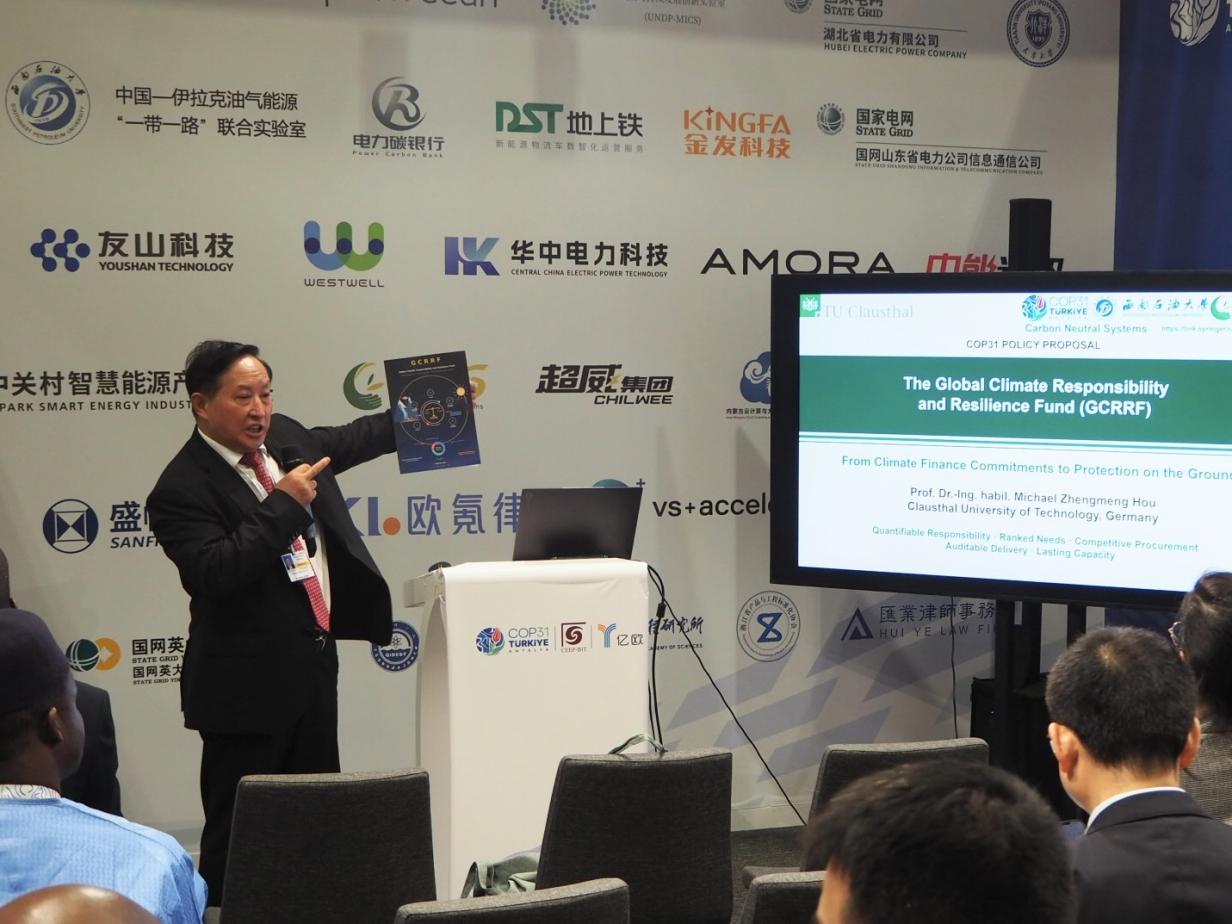
Figure 1. Professor Michael Zhengmeng Hou introduces the GCRRF proposal in his COP31 keynote presentation.
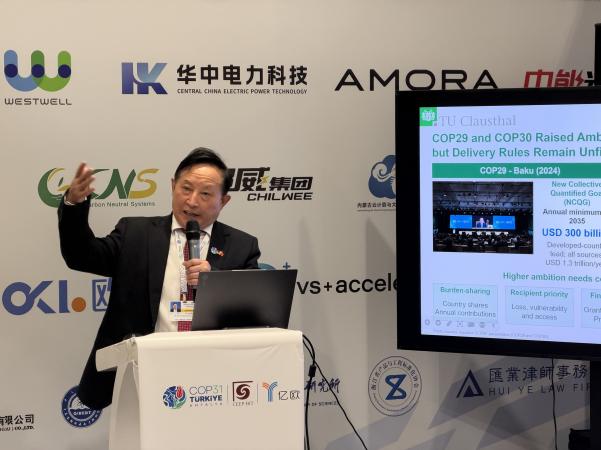
Figure 2. Professor Hou outlines challenges in putting global climate finance into practice.
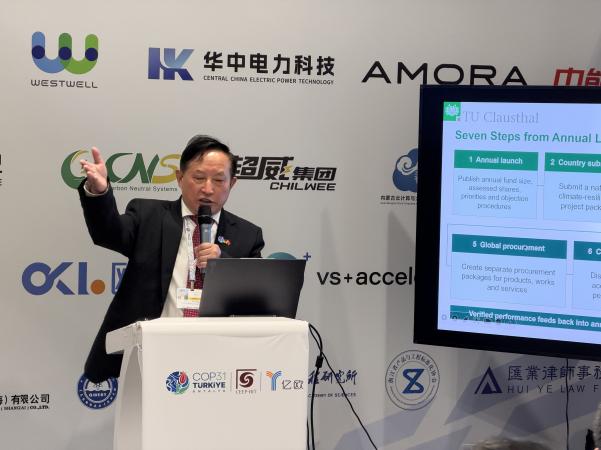
Figure 3. Professor Hou explains how the proposal links funding to project delivery.
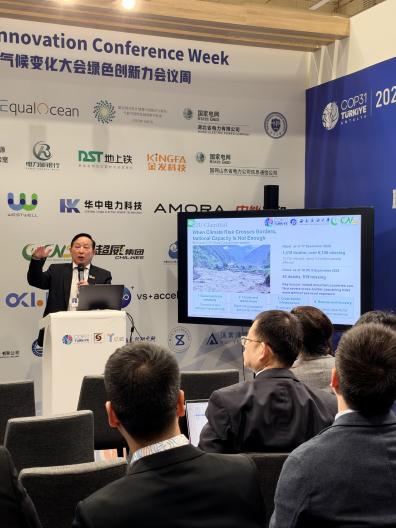
Figure 4. Professor Hou uses his presentation materials to explain climate risks and the need to build resilience.
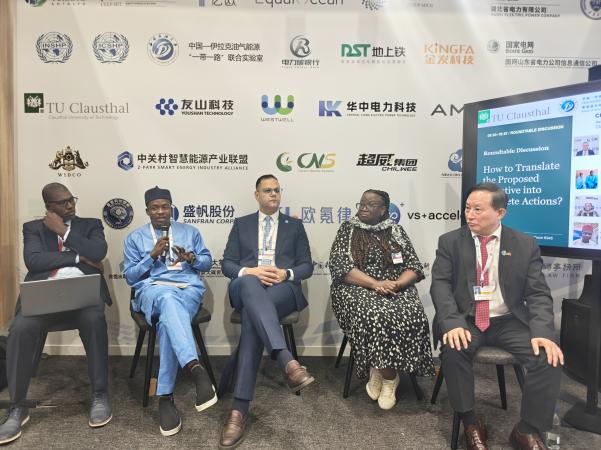
Figure 5. Professor Hou moderates the GCRRF roundtable with panellists from several professional fields.
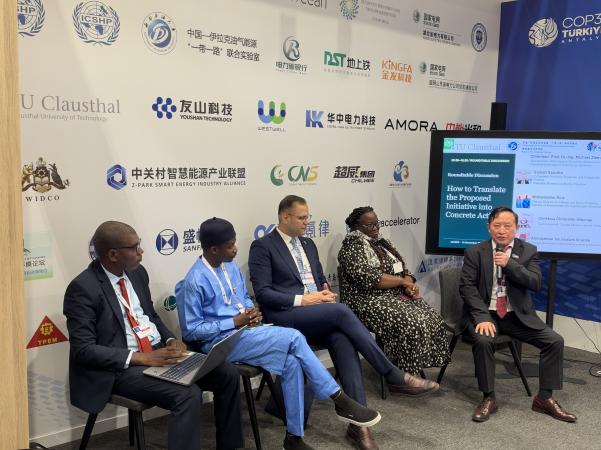
Figure 6. Professor Hou moderates the GCRRF roundtable with panellists from several professional fields.
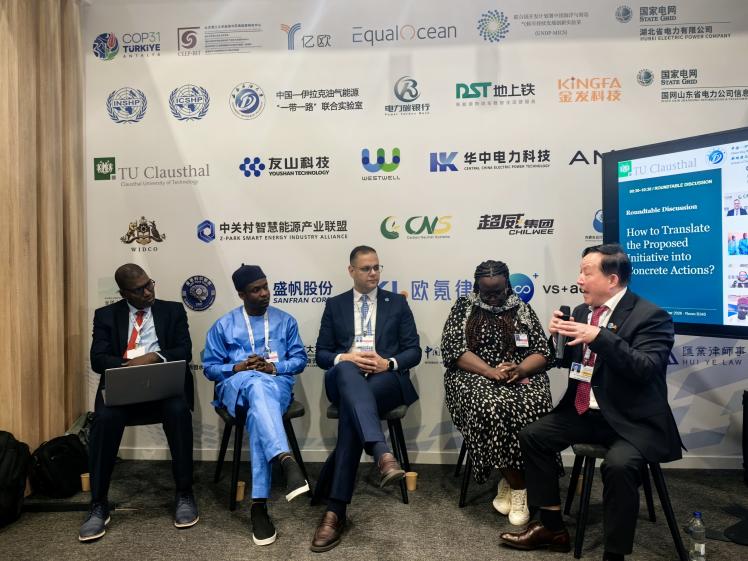
Figure 7. Professor Hou elaborates on how the GCRRF proposal could be implemented.
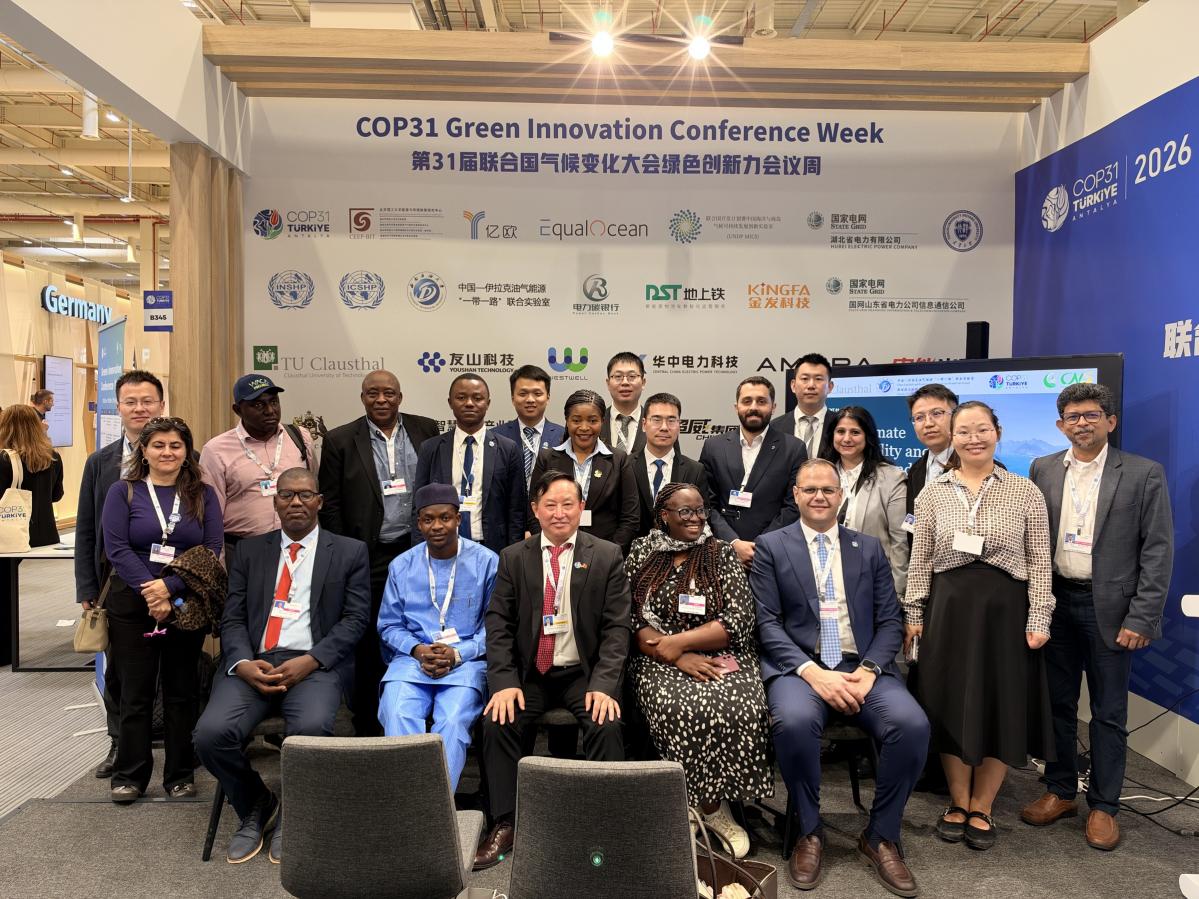
Figure 8. Professor Hou with guests and delegates at the GCRRF side event.
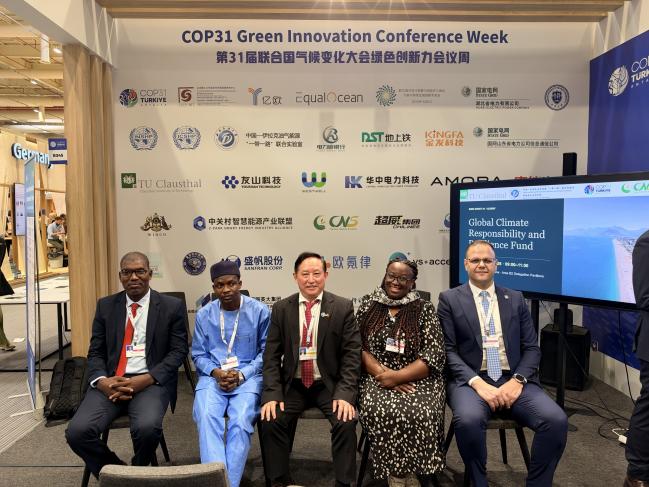
Figure 9. GCRRF panellists pose for a group photograph.
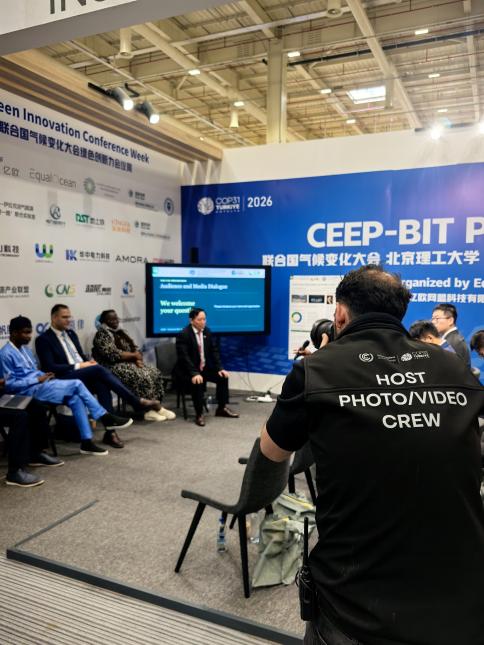
Figure 10. COP31 photographers document the discussion.
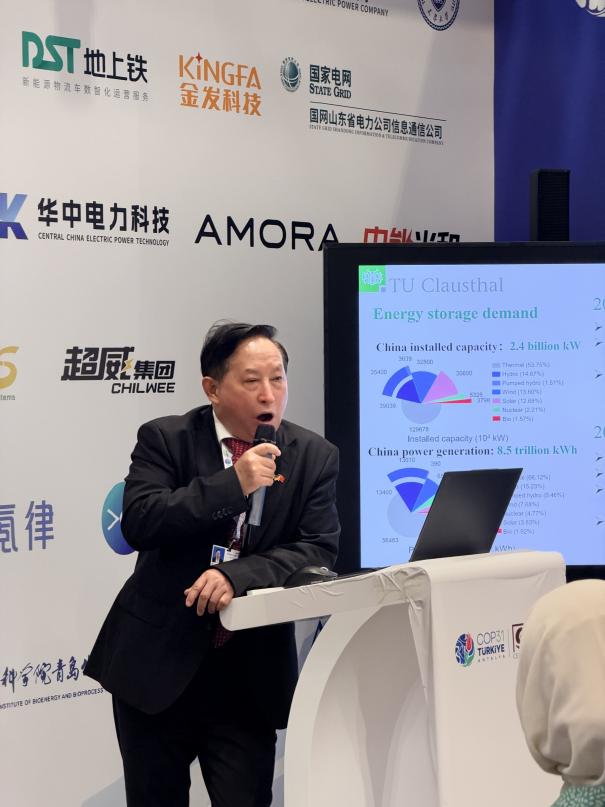
Figure 11. In his 4CUS keynote, Professor Hou discusses energy storage needs and research on circular carbon and energy use.
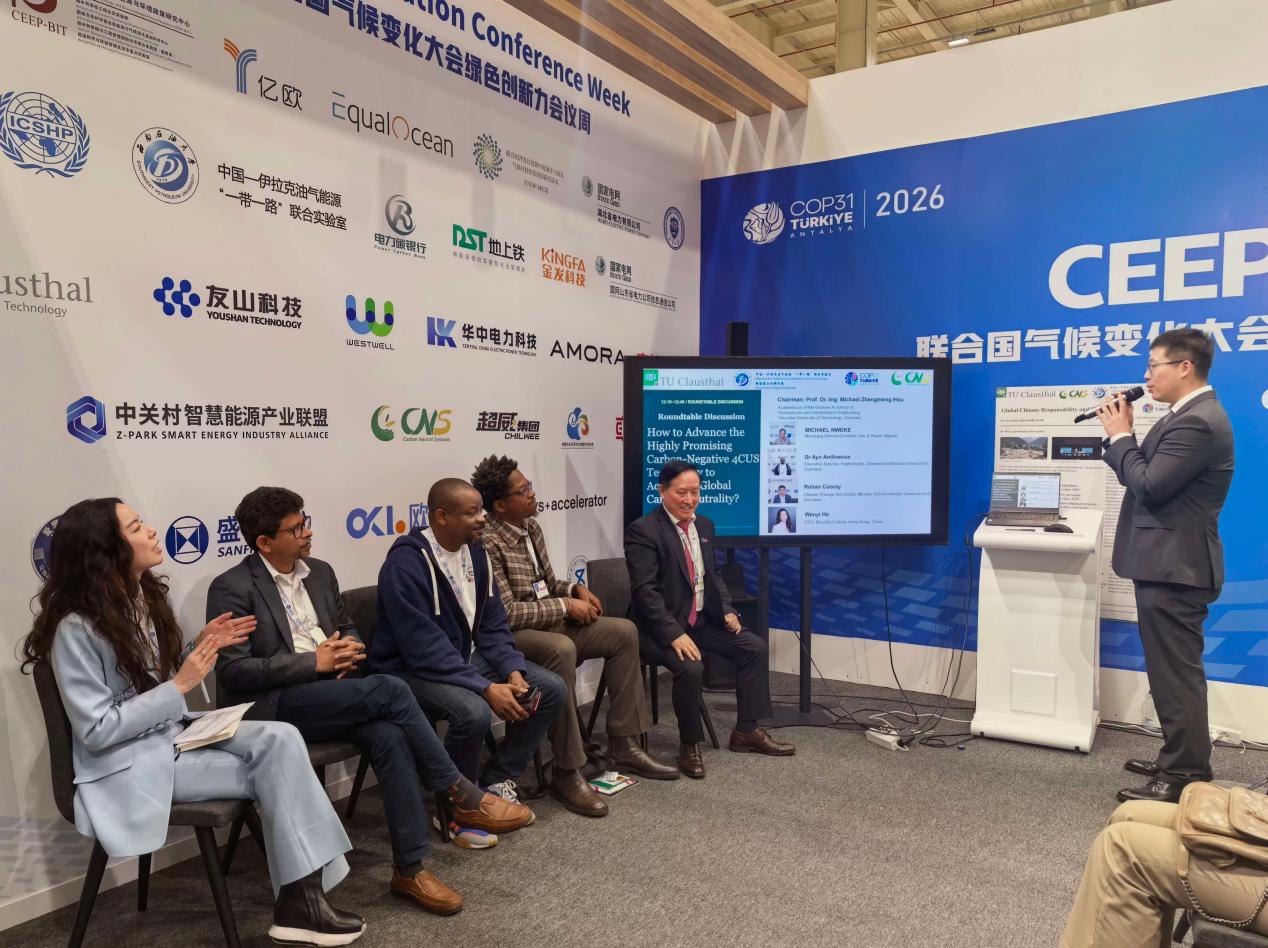
Figure 12. Panellists discuss 4CUS at the roundtable.
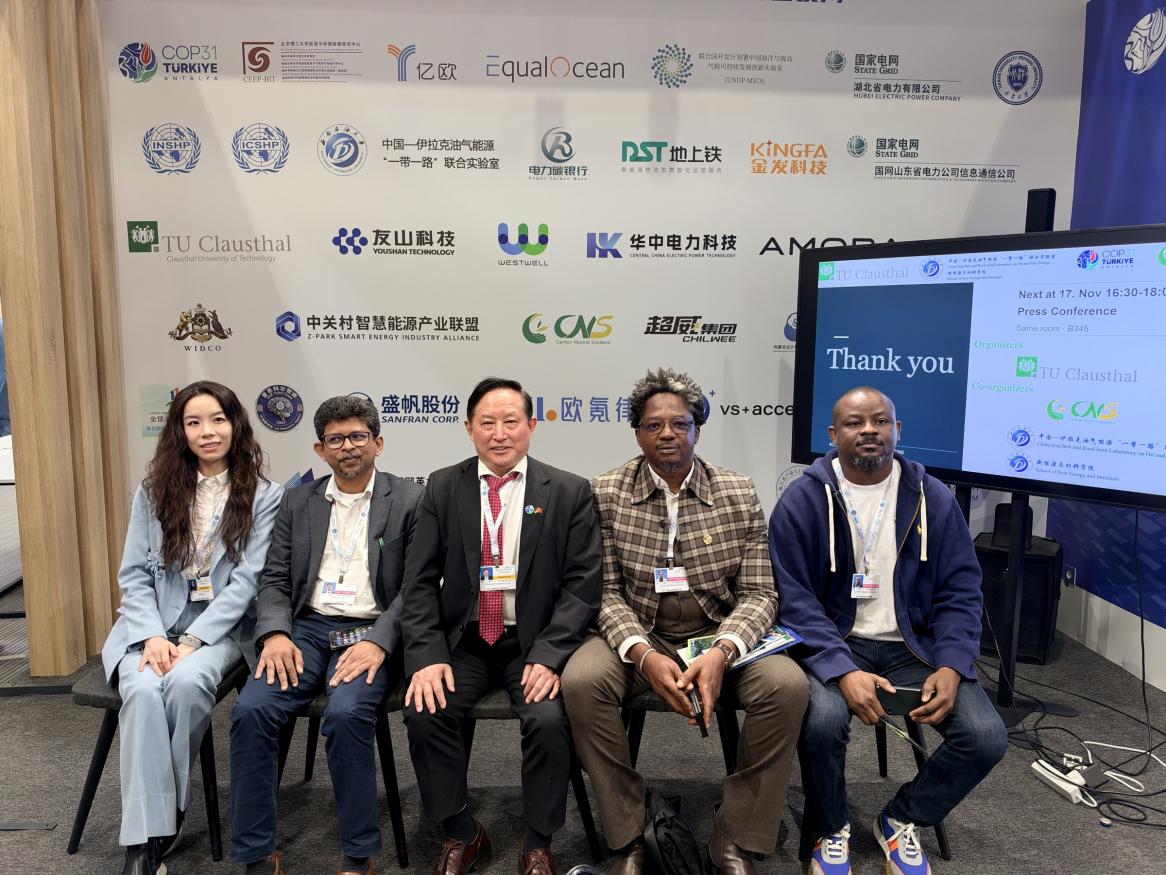
Figure 13. Professor Hou with panellists from the 4CUS side event.
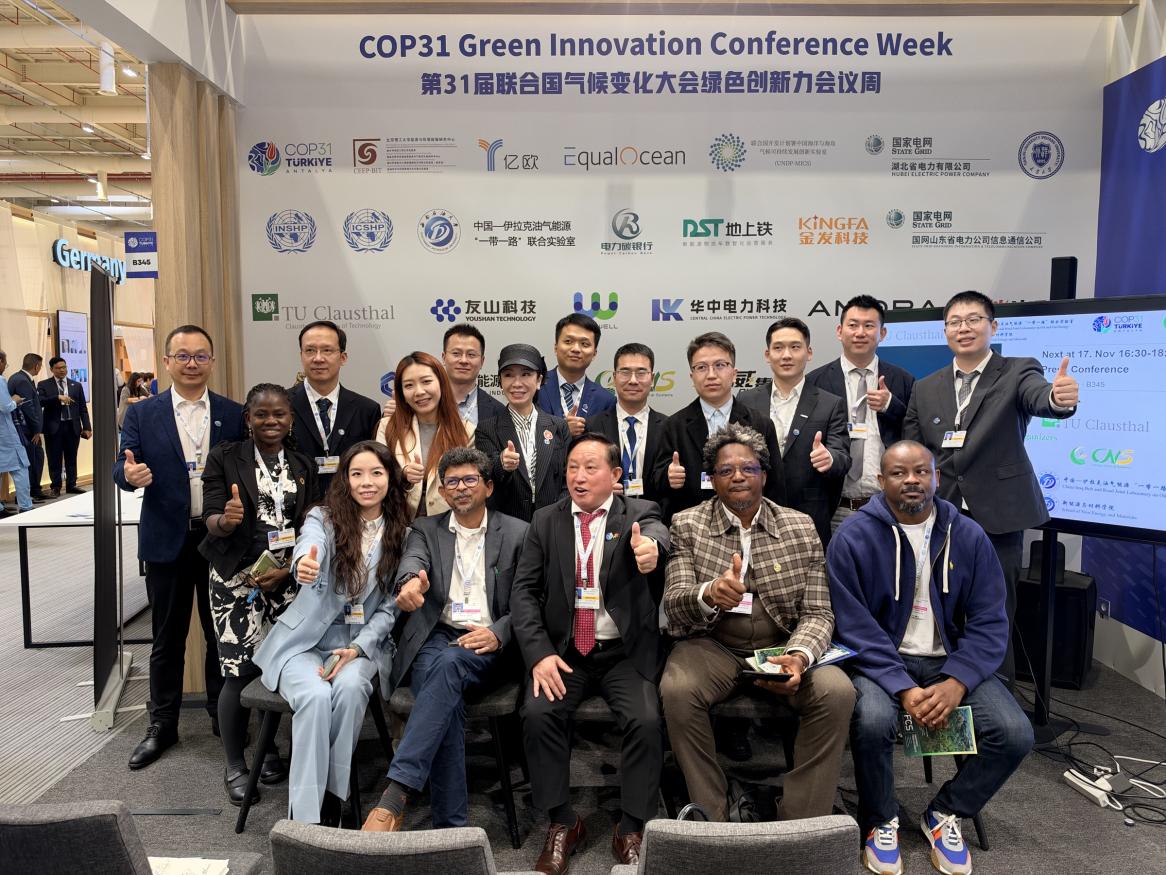
Figure 14. Guests and delegates at the 4CUS side event.
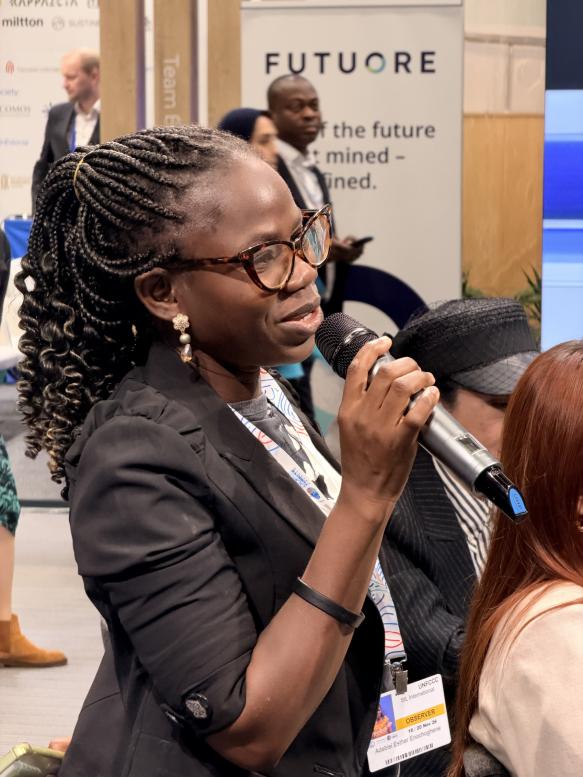
Figure 15. Delegates ask questions and discuss issues raised in the presentations.
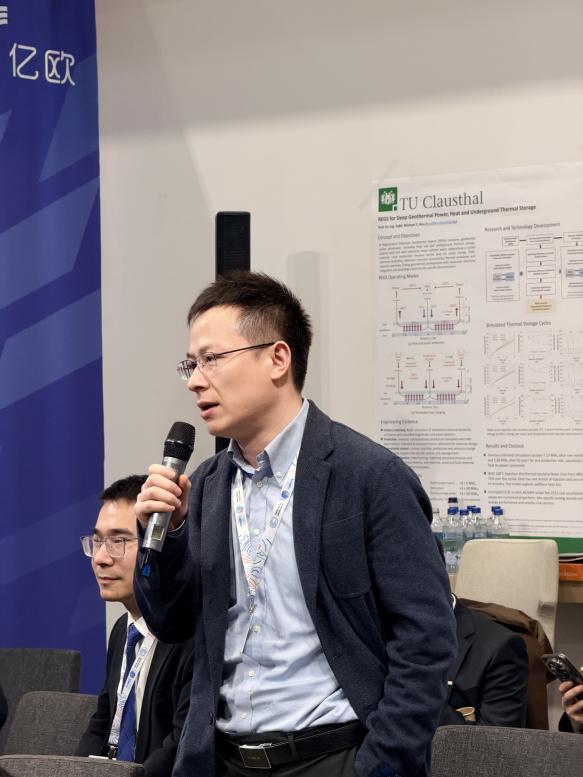
Figure 16. Delegates ask questions and discuss issues raised in the presentations.
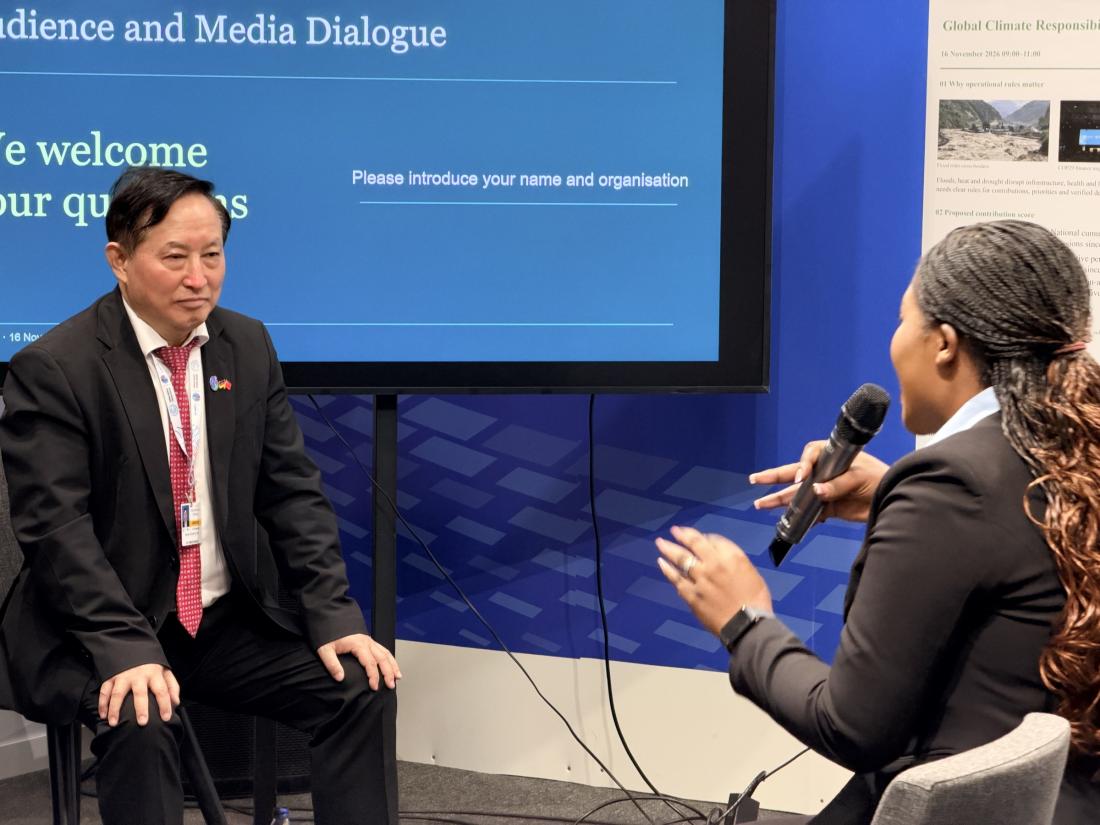
Figure 17. Professor Hou listens to a delegate’s question.
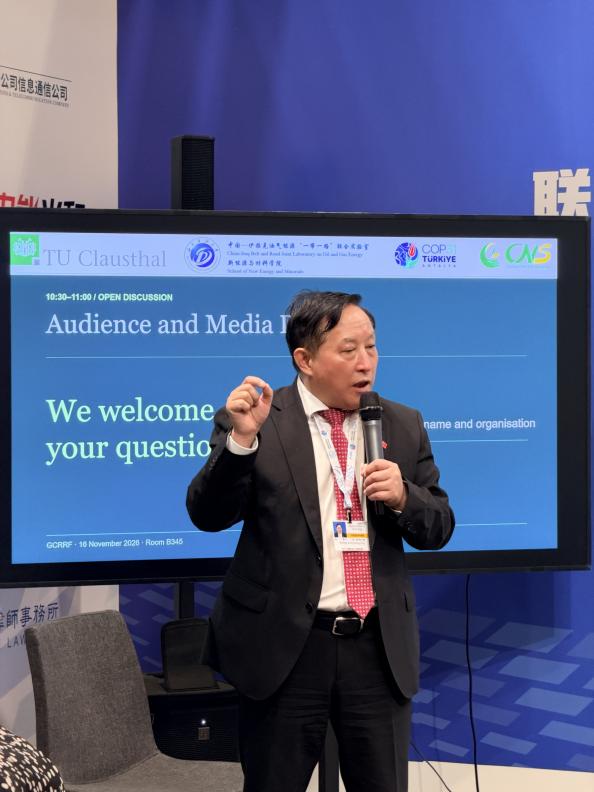
Figure 18. Professor Hou responds to questions and elaborates on the research and initiatives.
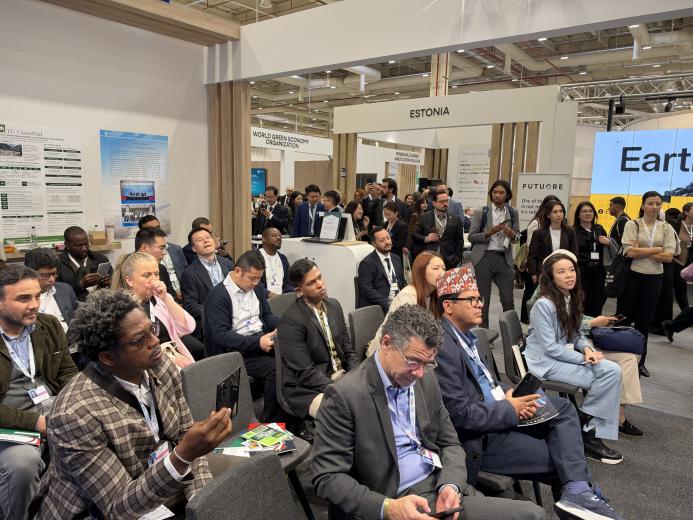
Figure 19. Delegates listen to the presentations and discussions.
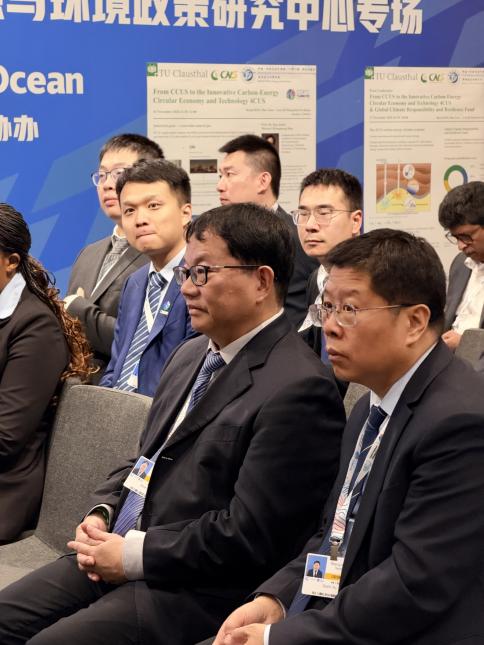
Figure 20. Delegates listen to the presentations and discussions.
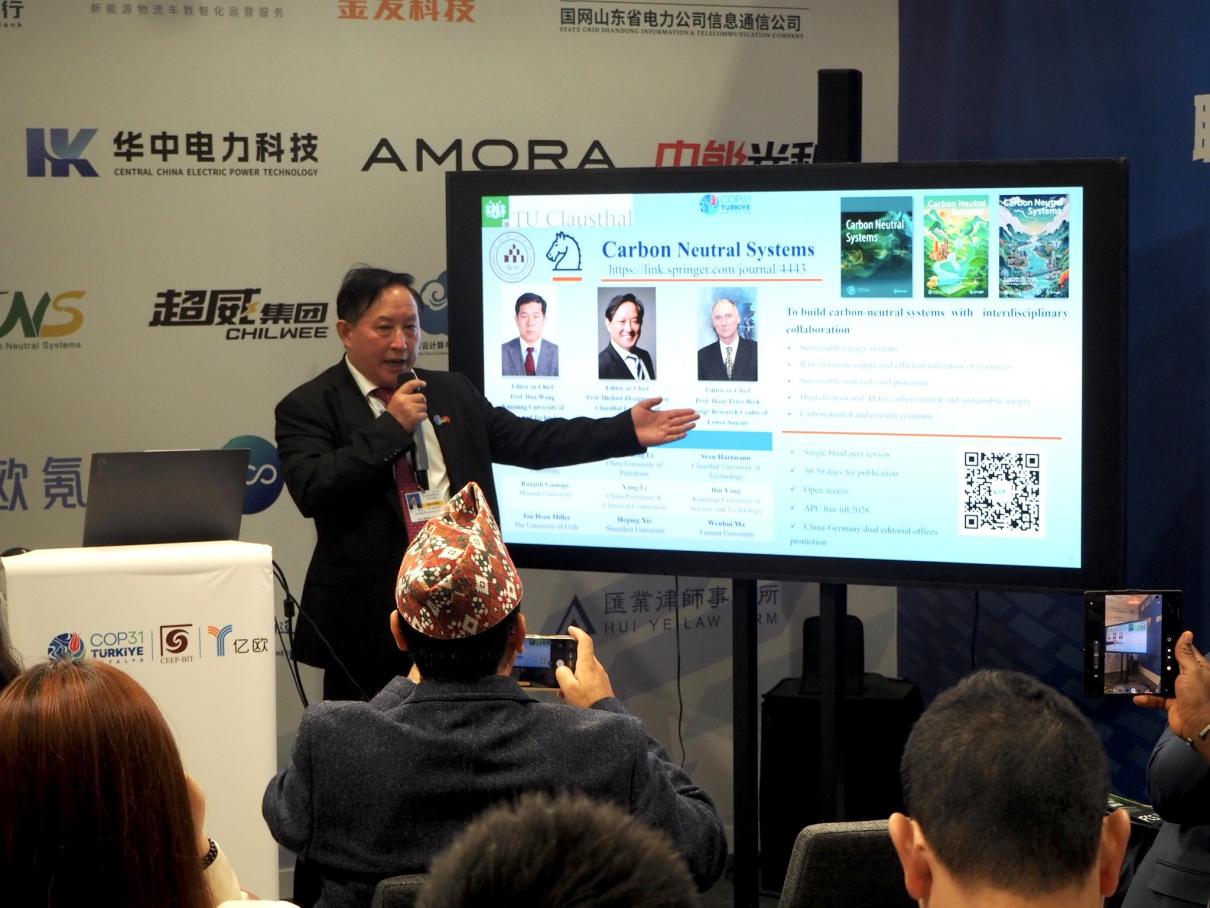
Figure 21. Professor Hou introduces Carbon Neutral Systems and its research themes.
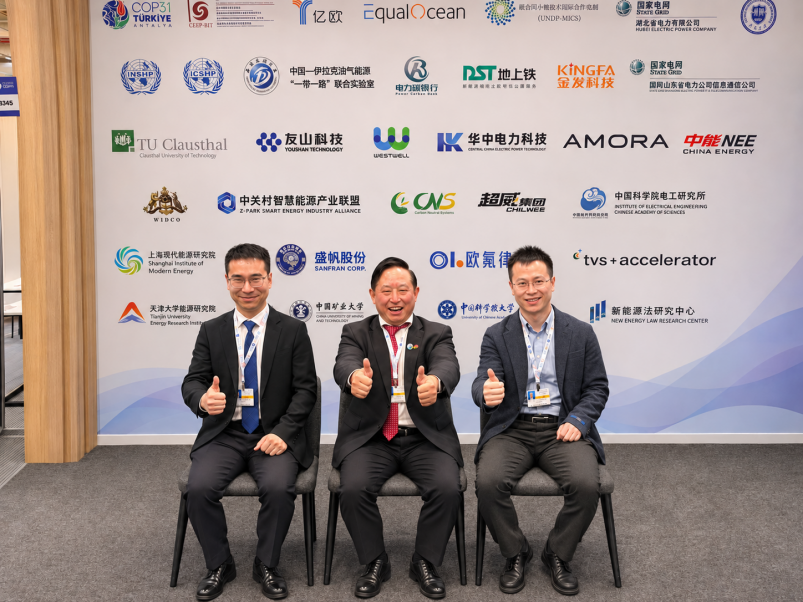
Figure 22. From left to right, Dr Lin Wu (Southwest Petroleum University), Professor Michael Zhengmeng Hou (Clausthal University of Technology, representing CNS) and Professor Tao Zhang (Southwest Petroleum University).
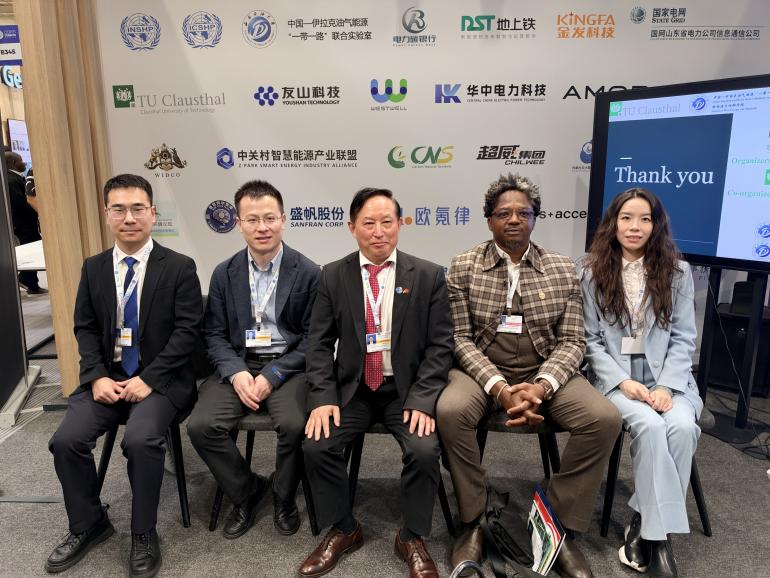
Figure 23. Professor Hou with guests and representatives of the sponsors and supporting organisations at COP31.