
 Deutsch
 English
 Chinese

TU Clausthal Alumni Renew Their Bonds on the Occasion of China’s National Day and German Unity Day: VCAC Embarks on a New Chapter
Chinese Alumni Association of TU Clausthal (VCAC) Holds an Expanded Council Meeting and Cross-Generational Alumni Exchange Forum at the “Alumni Home” in Beijing
On the evening of 4 October 2026, shortly after China’s National Day on 1 October and German Unity Day on 3 October, the Chinese Alumni Association of TU Clausthal (VCAC) held an Expanded Council Meeting and Alumni Exchange Forum at the TU Clausthal “Alumni Home” in Beijing. The proximity of the two national holidays made 4 October a fitting occasion to mark both. Alumni gathered to renew the bonds forged at TU Clausthal and to discuss Sino-German cooperation in scientific and technological innovation and VCAC’s future development.
The event was organised by Prof. Dr.-Ing. Michael Zhengmeng Hou, Chairman of VCAC. Professor Wan Gang, Honorary President of the China Association for Science and Technology (CAST), a distinguished alumnus and Honorary Professor of TU Clausthal, attended as a special guest. His wife, Ms Zhang Dingzhi, also joined the gathering.
Thirteen Council members and honorary Council members from VCAC’s current and previous Councils attended. Participants included Professor Lifeng Zhang, President of North China University of Technology and VCAC’s founding Secretary General; Dr Furui Xi of the China Institute of Geo-Environment Monitoring and the current Secretary General; Professor Hejuan Liu of the Institute of Rock and Soil Mechanics, Chinese Academy of Sciences, and the current Vice Chairman; and Dr Xiang-Qian Zhou, Chairman and Chief Scientist of Parcan NanoTech Co., Ltd. and Co-President of the German Zhi Gong Association.
The gathering during the national-day season in China and Germany not only reaffirmed the deep bonds among TU Clausthal alumni, but also created a valuable opportunity to strengthen engagement with their alma mater, foster young talent and advance Sino-German scientific and technological cooperation.
I. Reconnecting Alumni and Building Consensus on the Occasion of China’s National Day and German Unity Day
During the meeting, Chairman Hou briefed Professor Wan on VCAC’s recent organisational development and progress across its various areas of work. On behalf of VCAC and President Dr.-Ing. Sylvia Schattauer of TU Clausthal, he thanked Professor Wan for his longstanding interest and support.
Since its establishment on 6 June 2015, VCAC has remained committed to strengthening connections among alumni in China and between alumni and their alma mater, while promoting exchanges and cooperation between China and Germany in science and technology, education, culture and industry.
On 5 September 2026, VCAC convened an Expanded Council Meeting to review its organisational structure, division of responsibilities and appointment of additional members. The reconstituted Council further strengthened the participation of alumni in China and abroad, establishing an 18-member governance structure with clearly defined responsibilities for the Chairman, Executive Vice Chairman, Vice Chairmen, Secretariat and Council Members. It also began developing a working mechanism that combines regional coordination with collaboration on specific initiatives.
At the Beijing gathering, Chairman Hou gave a brief report on the development of the new Council, alumni outreach, services for younger alumni, regional activities, university–industry cooperation and external relations. Together with Professor Wan and the alumni present, he also discussed priorities for VCAC’s next stage of development.
On behalf of President Dr.-Ing. Sylvia Schattauer and VCAC, Chairman Hou warmly invited Professor Wan to return to his alma mater, TU Clausthal, when his schedule permits in the second half of 2027. The proposed visit would provide an opportunity for him to share his experience in scientific and technological innovation, industrial development and Sino-German cooperation with faculty members and students, further deepening TU Clausthal’s ties with China’s scientific and educational communities.
II. From Berlin to Beijing: Sino-German R&D and Innovation Cooperation Enters a New Stage
Sino-German cooperation in scientific and technological innovation was one of the central topics of the exchange.
In November 2016, the China (Germany) R&D and Innovation Alliance (CFEID) was officially inaugurated in Berlin. Wan Gang, then China’s Minister of Science and Technology, attended the launch, which created a new platform for exchange among Chinese-funded R&D organisations in Germany and for wider Sino-German cooperation in scientific and technological innovation.
Over the ensuing decade, CFEID continued to promote exchange and cooperation among R&D institutions, companies, universities and professional organisations in China and Germany, accumulating extensive experience in technological innovation, industrial collaboration and the energy transition.
During the gathering, Chairman Hou presented an update on CFEID’s development, reviewed relevant cooperation achievements over the past ten years and outlined preparations for its tenth-anniversary activities. He also set out plans to further strengthen the Alliance’s role as a bridge for Sino-German cooperation in science, technology and industry.
Participants held in-depth discussions on how to connect university research more effectively with university–industry cooperation and practical industrial applications, as well as how international academic organisations and scientific and technological cooperation platforms could work together more closely. The discussions produced broad consensus.
III. Signed Copies of the First CNS Volumes Commemorate International Academic Exchange and Green Innovation
A special commemorative activity added a strong academic dimension to the alumni gathering.
Professor Hou showed Professor Wan the first two published volumes of the international open-access journal Carbon Neutral Systems (CNS), for which he serves as a Co-founding Editor-in-Chief. The journal is published in cooperation with the international academic publisher Springer Nature. Professor Hou warmly invited Professor Wan to sign the volumes as a memento.
Professor Wan readily signed the contents pages of both volumes, creating a treasured keepsake.
CNS was jointly established by Kunming University of Science and Technology, TU Clausthal and Springer Nature. Its areas of focus include carbon-neutral systems; sustainable energy systems, including clean energy and energy storage; raw-material supply and resource efficiency; sustainable materials and processes, including green and intelligent manufacturing; the circular economy; digitalisation and advanced intelligent technologies supporting sustainable societal development; and related interdisciplinary research. The journal is dedicated to building an internationally influential platform for academic exchange.
Professor Hou briefed Professor Wan on the journal’s development since its launch and its next-stage plans for expanding its international editorial network, disseminating high-quality research, supporting young scholars and promoting interdisciplinary cooperation.
The signatures in the two volumes are not only a precious testament to the friendship among alumni, but also an expression of the shared hopes of a distinguished TU Clausthal alumnus for international academic exchange, green and low-carbon innovation and the development of young talent.
IV. Advancing 4CUS Innovation and Preparing the IGTCO International Cooperation Platform
In connection with the green and low-carbon transition and international scientific and technological cooperation, Professor Hou also presented his team’s plans for implementing 4CUS in China and developing international cooperation around the technology. 4CUS—Carbon Capture, Circular Conversion, Renewable Natural Gas Production & Underground Storage, and Residual Sequestration—is a highly promising carbon-negative technology designed to convert waste into valuable resources.
The 4CUS carbon-negative technology system offers a potentially disruptive new circular-economy model for producing renewable natural gas underground from carbon dioxide. It not only converts waste into value, cuts emissions, improves efficiency and generates revenue, but also produces green, renewable resources and energy. The system uses depleted oil and gas reservoirs as large natural subsurface biochemical reactors. Flue gas from coal-fired power plants—containing more than 4 billion tonnes of CO₂ annually in China—and hydrogen-bearing industrial by-product gases—containing more than 200 billion cubic metres of hydrogen annually in China—serve as feedstocks. Selected and cultivated subsurface microbial consortia act as biocatalysts, converting CO₂ and H₂ into methane in approximately one year. This enables an engineered cycle in which renewable natural gas is generated in situ, stored underground, produced and used, while CO₂ is captured, reinjected and methanated again. CO₂ can also enhance natural-gas recovery and serve as cushion gas in underground storage facilities, while residual CO₂ is geologically sequestered, creating a new carbon–energy circular-economy model. As a multifunctional, waste-to-value technology capable of delivering positive economic returns, 4CUS could become one of the most promising carbon-negative technologies. By around 2060, 4CUS could potentially enable China to produce and store approximately 750 billion cubic metres of underground renewable natural gas each year, while utilising and storing 1 billion tonnes of CO₂ annually. This would mean that China might one day be able to meet its natural-gas needs without relying on imports, while simultaneously creating a one-billion-tonne “engineered carbon sink”.
The technology has already generated a body of research covering laboratory and field experiments, technology development, digital simulation, techno-economic feasibility assessment, site selection, and coupled thermal–hydraulic–mechanical–chemical–biological multiphysics modelling and numerical simulation. Findings have been published in leading Chinese and international journals, including Applied Energy, Renewable Energy, Natural Gas Industry, and Petroleum Exploration and Development. In connection with topics relevant to the 2026 United Nations Climate Change Conference (COP31), the team is working to expand international cooperation and advance pilot and demonstration sites in China.
Professor Hou also introduced the preliminary studies and preparations for the International Green and Low-Carbon Technology Innovation Cooperation Organization (IGTCO).
IGTCO is envisaged as an international, non-profit platform for scientific and technological cooperation, bringing together universities, research institutions, companies and experts from China and abroad. It would support long-term cooperation in joint R&D on green and low-carbon technologies, technology transfer and application, standards development, engineering demonstrations, international academic exchange and the training of young scientific and technological talent.
IGTCO remains at the preliminary assessment and preparatory stage. The teams involved are currently conducting research and coordination on its organisational structure, international cooperation network, portfolio of technology fields and pathway to implementation.
Professor Wan spoke highly of, and expressed strong support for, the active work undertaken by VCAC and the relevant teams in Sino-German cooperation in scientific and technological innovation, international academic publishing, and green and low-carbon technologies.
V. Carrying Forward the TU Clausthal Spirit and Supporting Younger Alumni
The growth and development of younger alumni was another important focus of the gathering.
During the exchange, Professor Wan posed for a commemorative photograph with seven younger alumni. All seven had pursued higher education or conducted research at TU Clausthal under the direct supervision of Professor Hou. Four had doctoral and postdoctoral training experience, while three had completed undergraduate and master’s-level studies. Six of the seven have been appointed as Young Editorial Board Members of CNS and have distinguished themselves through their work.
The seven younger alumni—Dr Furui Xi, Professor Hejuan Liu, Ruiwen Yan, Cheng Cao, Jingwen Tian, Liangchao Huang and Tianle Shi—are now active in university teaching, research and innovation, energy engineering and related professional fields in China and Germany.
From young students who once travelled to Germany to pursue their studies to accomplished professionals now taking on important responsibilities at universities, research institutions and in industry, their development vividly reflects TU Clausthal’s longstanding commitment to international talent development and Sino-German exchange and cooperation.
VI. Bringing Alumni Together to Carry Sino-German Cooperation Forward
From the inauguration of the China (Germany) R&D and Innovation Alliance (CFEID) in Berlin in 2016 to the gathering held at the TU Clausthal “Alumni Home” in Beijing in 2026 on the occasion of the two national holidays, the past decade has witnessed the continued deepening of Sino-German cooperation in scientific and technological innovation and talent development. It has also sustained the shared affection that TU Clausthal alumni hold for their alma mater.
The event was more than an alumni reunion. It was also a substantive exchange on VCAC’s organisational development, scientific and technological innovation, academic publishing, young-talent development and international cooperation.
At the conclusion of the event, Professor Wan and his wife, Ms Zhang Dingzhi, joined the participating alumni for a group photograph. In a warm and cordial atmosphere, everyone renewed friendships and brought the evening’s exchange to a successful close.
Looking ahead, VCAC will continue to uphold its commitment to “connecting alumni, serving the alma mater and promoting cooperation”. It will actively serve as a bridge between China and Germany, academia and industry, and distinguished alumni and young talent. By continuing to expand opportunities for international scientific and technological exchange and cooperation, VCAC will contribute the knowledge and strength of TU Clausthal alumni to Sino-German scientific and technological innovation and to green, low-carbon and sustainable development.
On the occasion of China’s National Day and German Unity Day, VCAC extends its warmest wishes to alumni, faculty members, students and friends in China and around the world. May Sino-German friendship grow ever stronger, scientific and technological cooperation continue to deepen, and the endeavours of alumni flourish.
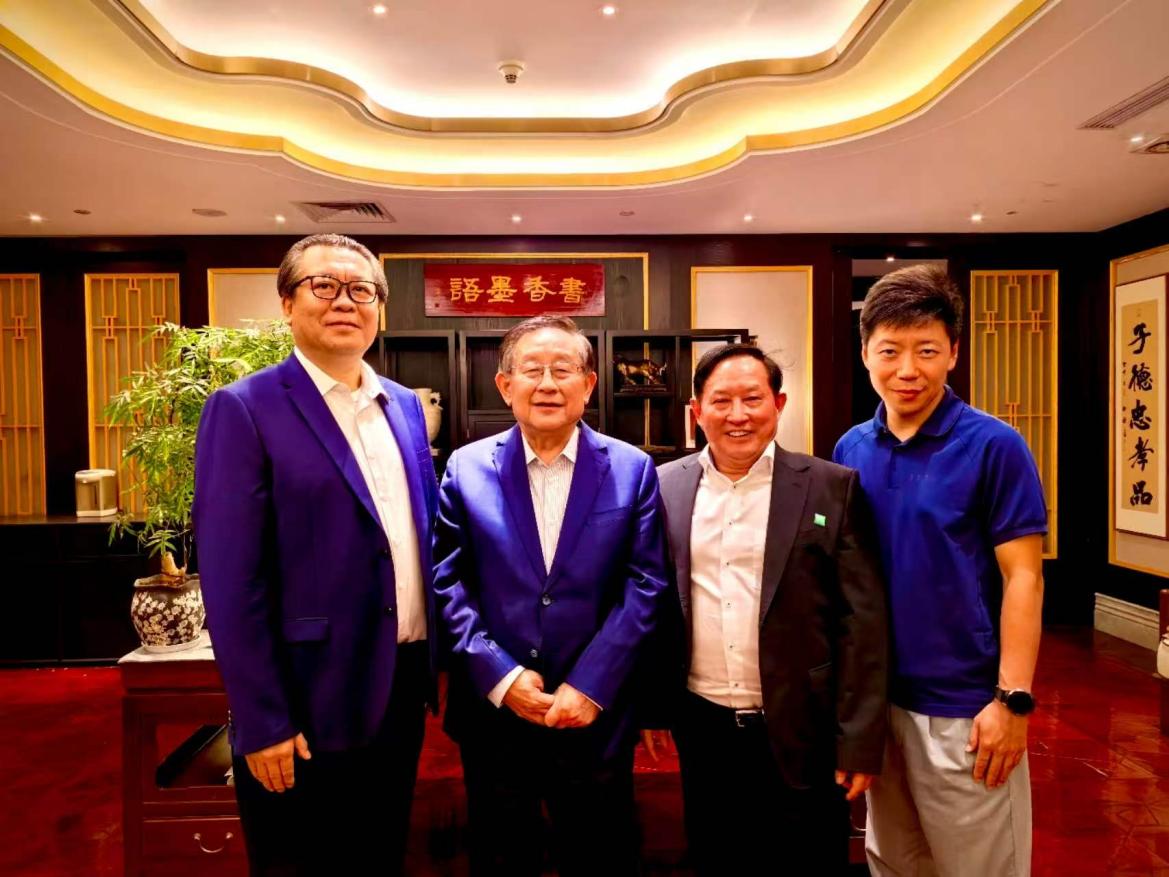
Figure 1. Professor Wan Gang with VCAC Chairman Professor Michael Zhengmeng Hou, current Secretary General Dr Furui Xi and founding Secretary General and President Professor Lifeng Zhang at the TU Clausthal “Alumni Home” in Beijing
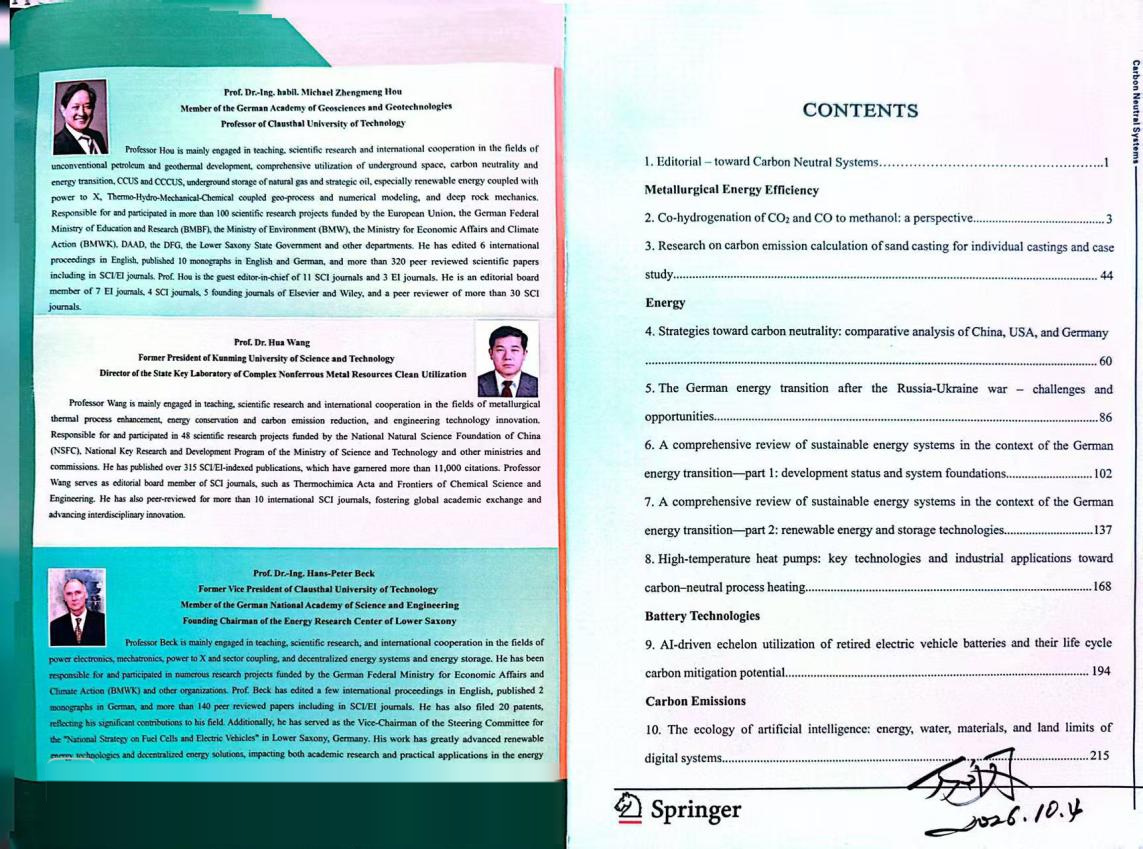
Figure 2. Volume One of Carbon Neutral Systems, signed by Professor Wan Gang
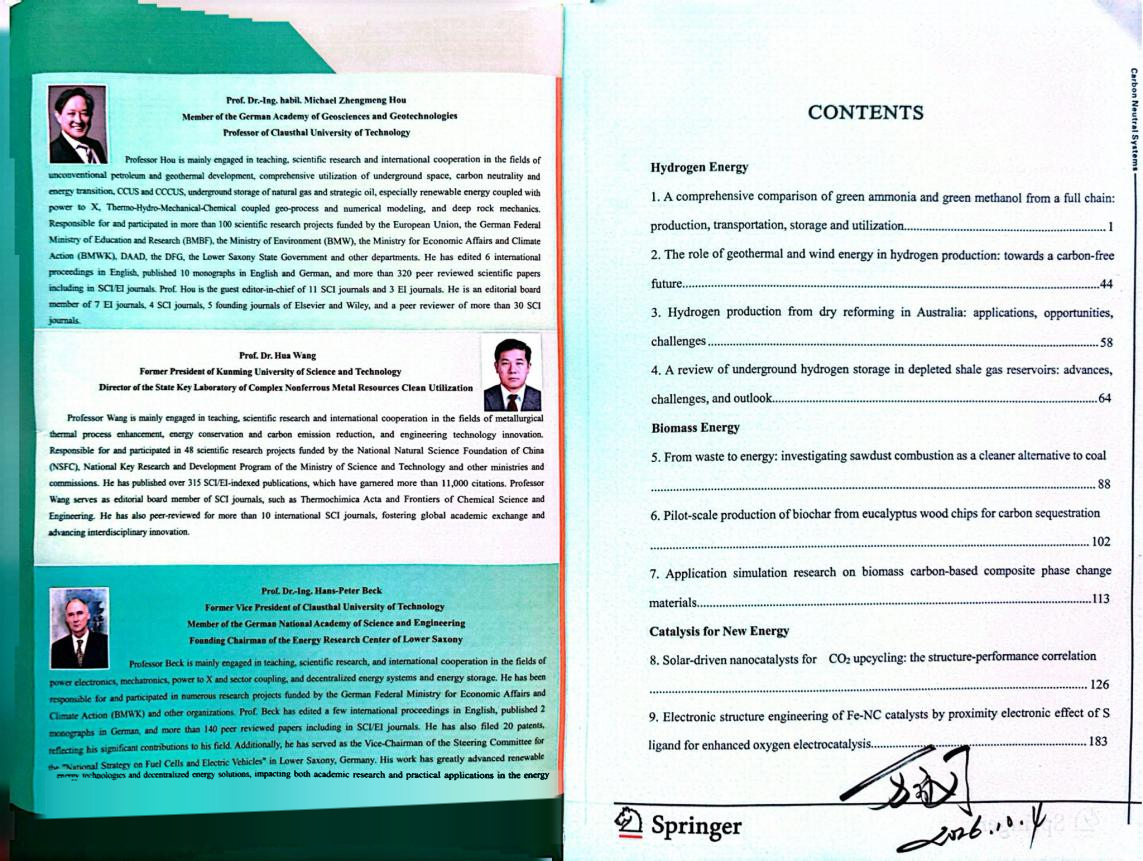
Figure 3. Volume Two of Carbon Neutral Systems, signed by Professor Wan Gang
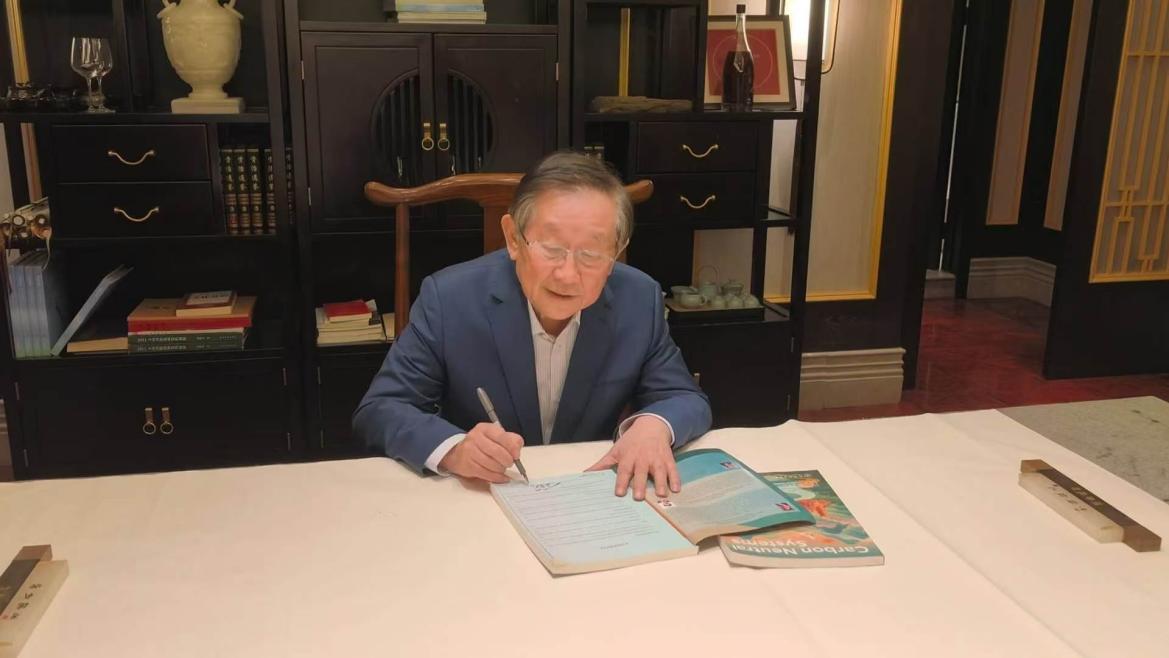
Figure 4. Professor Wan Gang signs the CNS journal volumes
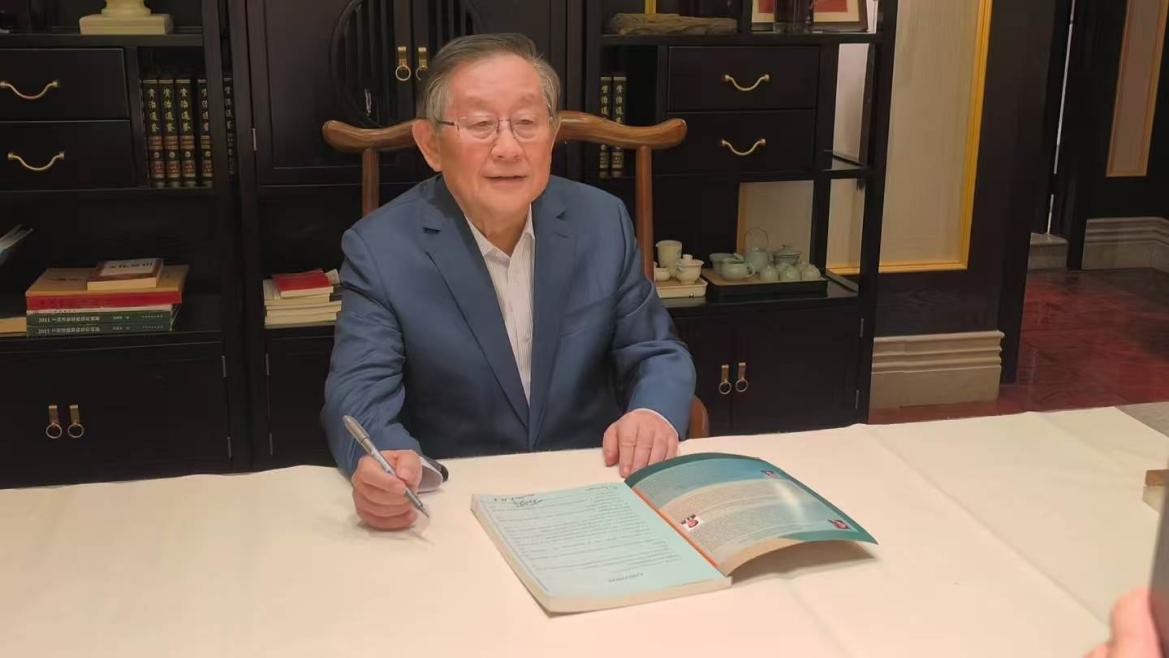
Figure 5. Professor Wan Gang displays the signed CNS journal volumes
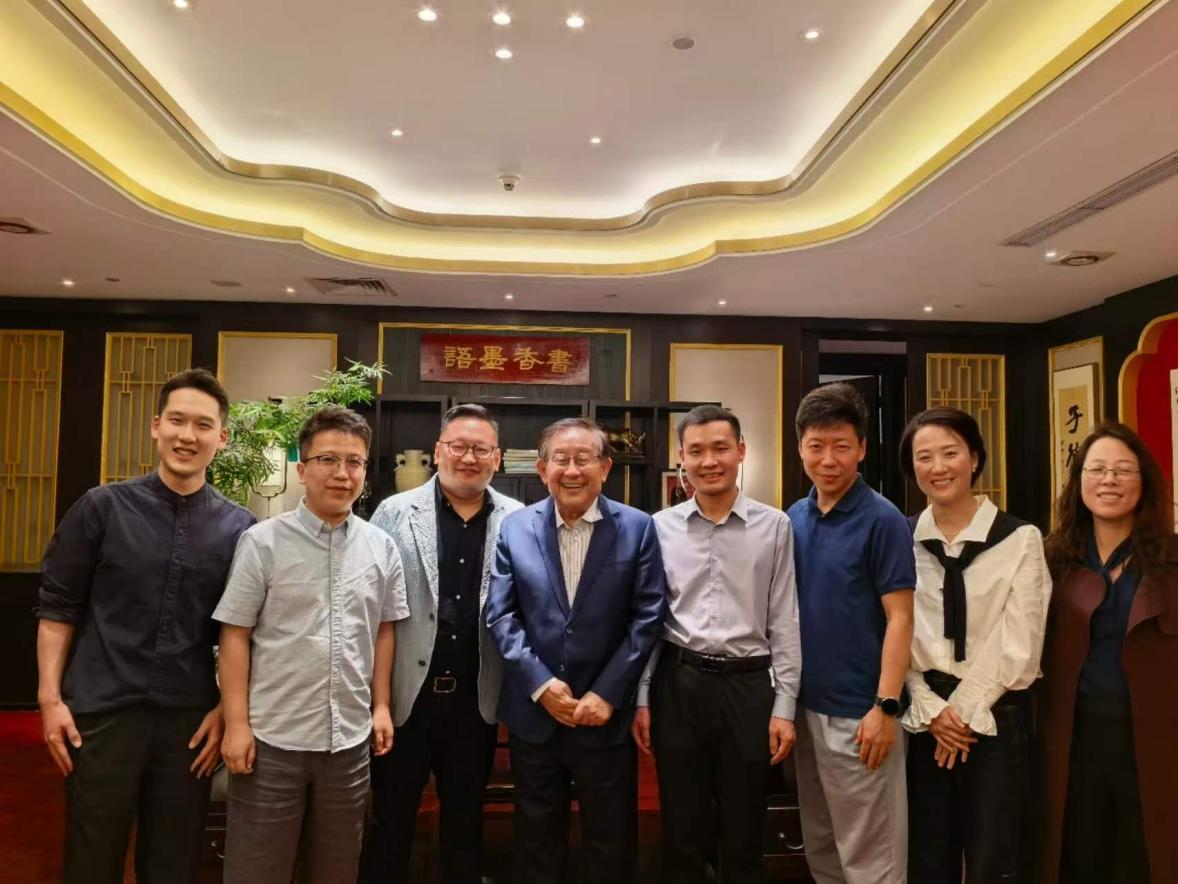
Figure 6. Professor Wan Gang with seven younger alumni
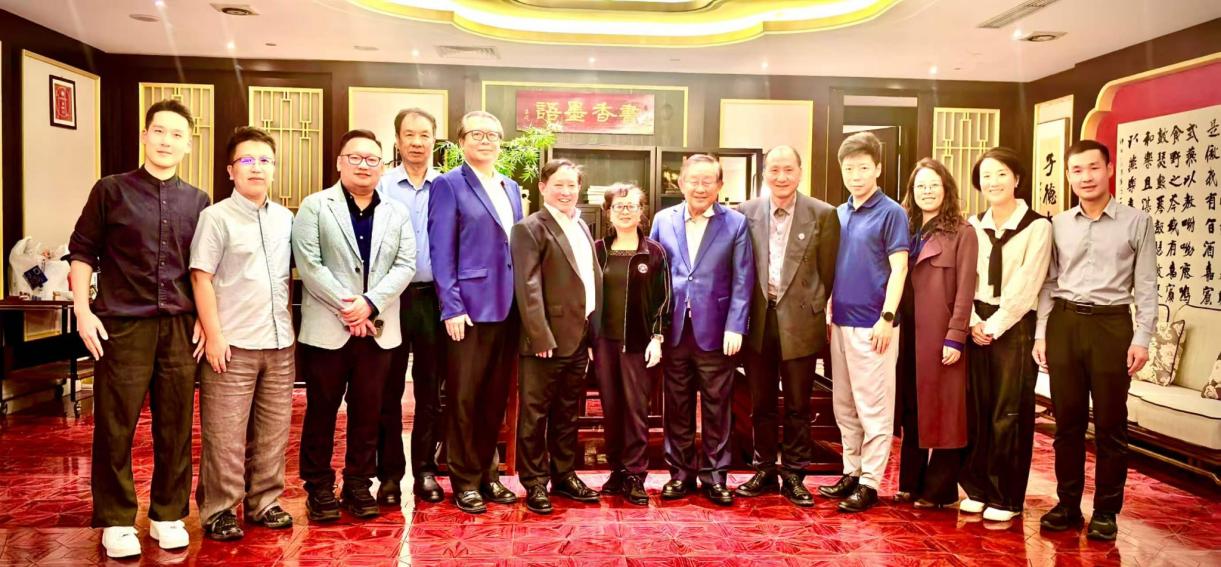
Figure 7. Professor Wan Gang and participating representatives of VCAC at the TU Clausthal “Alumni Home” in Beijing