Deutsch
 English
 Chinese

Twenty Years of Enduring Friendship: Sichuan University–TU Clausthal Dual-Degree Alumni Reunite in Guangzhou
Twenty years ago, they set out from Sichuan University and travelled thousands of miles to Clausthal, a small university town in Germany’s Harz Mountains, where they began a new chapter of their academic lives. Two decades later, they have become key contributors to China’s infrastructure, rail transit, green construction and international engineering cooperation – and reunited in Guangzhou with a delegation from their alma mater.
On the afternoon and evening of 16 May, Dr.-Ing. Sylvia Schattauer, President of Clausthal University of Technology, met in Guangzhou with early alumni of the “2+2” undergraduate dual-degree programme in Civil and Environmental Engineering jointly run by Sichuan University and TU Clausthal. The delegation also included Prof. Dr.-Ing. Michael Zhengmeng Hou, China Representative of TU Clausthal; Prof. Dr. Leonhard Ganzer, Director of the Institute of Subsurface Energy Systems; and Dr. Karstens.
Among the alumni attending the meeting were Jianxin Yin and Mingming Fang from the programme’s first cohort, as well as Zhi Qiao from the second cohort. After many years, old friends, teachers and former students came together once again. They looked back on their studies at Sichuan University and TU Clausthal, shared stories of their professional development in industry, infrastructure construction and international cooperation, and created a warm, lively and heartfelt atmosphere.
Behind this reunion lies more than two decades of deep and sustained cooperation between Sichuan University and TU Clausthal. Since 2004, when Academician Heping Xie, then President of Sichuan University, visited TU Clausthal and signed the “2+2” undergraduate dual-degree programme in Civil and Environmental Engineering, cooperation between the two universities has continued to grow in both depth and substance. To date, the partnership has trained more than 360 dual bachelor’s degree graduates, over 250 master’s graduates, more than 40 doctoral graduates and dozens of postdoctoral researchers. It has also supported more than 200 young faculty members in travelling to Germany for academic exchange and further training.
In 2021, the cooperation between the two universities was further expanded with the launch of an additional undergraduate dual-degree programme in Electrical Engineering, enrolling 60 new students each year. In 2025, the first cohort of this programme graduated successfully and achieved strong overall results, once again demonstrating the solid achievements of the Sichuan University–TU Clausthal partnership in cultivating international talent.
From the First Dual-Degree Cohort to Industry Professionals
The “2+2” undergraduate dual-degree programme in Civil and Environmental Engineering is one of the most important outcomes of the long-standing partnership between Sichuan University and TU Clausthal. Under the “2+2” model, students spend their first two years at Sichuan University before continuing their professional studies at TU Clausthal in Germany for the final two years. Upon meeting the academic requirements, they receive degrees from both universities.
The first cohort began their studies at Sichuan University in 2003, arrived in Clausthal on 18 October 2005 and received their dual degrees on 18 September 2007. For these early students, Clausthal was not merely a place of study. It became an important starting point for their international professional journeys.
Jianxin Yin was one of the students in that first cohort. From 2003 to 2005, he studied at Sichuan University; from 2005 to 2007, he completed his undergraduate studies at TU Clausthal and received his dual degree. He then remained in Clausthal to pursue a master’s degree, completing his graduate studies from 2007 to 2010 under the supervision of Prof. Dr.-Ing. Michael Zhengmeng Hou.
After completing his master’s degree, Jianxin Yin worked at K-UTEC AG Salt Technologies in Germany from 2010 to 2012. In 2012, he returned to Guangzhou, China, and joined the team of Sun International, where he has worked ever since. Over the years, he has combined his study and work experience in Germany with China’s infrastructure development and engineering innovation, gradually becoming an important member of the company’s core team.
Founded in 2005 and headquartered in Guangzhou, Sun International was co-founded by Dr. Junling Sun, a high-level overseas talent, and Academician Frieder Seible, a renowned structural engineering expert. The company has long been engaged in transport infrastructure, industrialised green construction and engineering informatisation, developing distinctive strengths in precast bridge systems, engineering consulting, BIM technology and the upgrading of transport infrastructure.
Dr. Junling Sun, one of the founders of Sun International, has long been committed to bringing advanced international engineering concepts and technologies into China’s transport infrastructure sector. The other co-founder, Academician Frieder Seible, is a German-born American structural engineering expert, a member of the engineering academies of China, the United States and Australia, and a recipient of the Chinese Government Friendship Award. This international entrepreneurial background resonates strongly with TU Clausthal’s educational philosophy, which places great emphasis on engineering practice and international cooperation.
One Generation of Alumni, One Shared Memory
Mingming Fang, also a member of the first cohort, followed a similar path. From 2003 to 2005, she studied at Sichuan University; from 2005 to 2007, she completed her undergraduate studies at TU Clausthal and received her dual degree. She then continued her studies in Clausthal and completed her master’s degree between 2007 and 2010.
For the first cohort of students, travelling to Germany for study was far from easy. Language, culture, professional coursework and everyday life all required adjustment and adaptation. Yet it was precisely this cross-cultural and cross-system learning experience that helped them develop broader international perspectives and gave them stronger adaptability and communication skills in their later careers.
This is one of the most valuable contributions of the TU Clausthal–Sichuan University dual-degree programme: it does not only provide students with professional knowledge. It also equips them with the ability to move confidently between different cultures and engineering systems, and to connect actively with the wider world.
From a Clausthal Master’s Degree to the Front Line of Rail Transit and International Cooperation
Zhi Qiao, who also attended the meeting in Guangzhou, belongs to the second cohort of the “2+2” undergraduate dual-degree programme in Civil and Environmental Engineering. From 2004 to 2006, he studied at Sichuan University; from 2006 to 2008, he completed his undergraduate studies at TU Clausthal and received his dual degree. He then remained in Clausthal for his master’s studies, which he completed from 2008 to 2011 under the supervision of Prof. Dr.-Ing. Michael Zhengmeng Hou. Before returning to China, he worked for two years at Herrenknecht’s headquarters in Schwanau, Germany.
Today, Zhi Qiao works at Guangzhou Railway Investment Construction Group Co., Ltd., where he is responsible for cooperation related to Southeast Asia. Over the years, he has maintained a strong focus on large-scale construction projects, railway construction and underground engineering. He has accumulated extensive experience in rail transit infrastructure, construction technologies under complex geological conditions, pile foundation engineering, karst cave detection and prefabricated construction equipment.
As an engineering professional in the fields of infrastructure and rail transit, Zhi Qiao has participated in a number of technological development projects and patent achievements. These technologies cover areas such as pile foundation construction under complex geological conditions, quality assessment of grouting in karst caves, lifting equipment for heavy components and the construction of prefabricated infrastructure systems.
In South China, underground karst formations, soft ground, coastal areas and complex riverside construction environments are common. They place high demands on rail transit and major infrastructure projects. The technologies in which Zhi Qiao has been involved directly address these engineering challenges: by integrating multiple geophysical methods, the quality of grouting in karst caves can be assessed more comprehensively and underground construction safety improved; by optimising pile installation and temporary support technologies, construction difficulties under complex geological conditions can be reduced; and by using multifunctional lifting equipment and prefabricated construction technologies, the installation efficiency of large railway, bridge and infrastructure components can be improved, even in confined construction spaces.
Teachers and Students Reunited: Clausthal Friendship Across Two Decades
For Prof. Dr.-Ing. Michael Zhengmeng Hou, the Guangzhou meeting carried special significance. Both Jianxin Yin and Zhi Qiao had pursued their master’s degrees at TU Clausthal under his supervision. Many years later, teacher and students met again in Guangzhou – no longer only as professor and students, but as partners working together to promote Sino-German cooperation, engineering innovation and alumni exchange.
From classrooms and laboratories in Clausthal to companies, rail transit projects and international engineering cooperation in Guangzhou, the professional journeys of these alumni vividly demonstrate the long-term impact of TU Clausthal’s China cooperation programmes.
During the meeting, several alumni recalled their first experiences after arriving in Germany. They also spoke about the profound influence that Clausthal’s rigorous academic training, down-to-earth urban atmosphere and open international environment had on their professional development. For many Chinese students, Clausthal may be a small university town, but it carries unforgettable memories of youth and has become an important starting point for their journey into the world.
President Schattauer highly praised the outstanding achievements of the alumni in industry and engineering practice. She noted that their professional success is both gratifying and a clear testament to the value of TU Clausthal’s cooperative education model with Chinese universities. Solid professional training, cross-cultural learning experiences and multilingual communication skills are enabling these graduates to play important roles across different countries, industries and cooperation contexts.
Alumni as Bridges Between Their Alma Mater and the World
Chinese alumni of TU Clausthal can now be found in universities, research institutes, energy companies, transport infrastructure, engineering consulting, digital technologies and international cooperation. They are not only witnesses to the university’s educational achievements, but also important bridges connecting TU Clausthal with China, with industry and with the future.
The alumni meeting in Guangzhou was therefore much more than a simple reunion. It once again showed that the seeds of cooperation planted twenty years ago have grown on Chinese soil into a generation of outstanding professionals with international vision, engineering capability and a strong sense of responsibility. They continue to contribute in their respective fields and, in their own ways, carry forward the deep friendship between TU Clausthal and China.
From Sichuan University to Clausthal, from the Harz Mountains to the Guangdong–Hong Kong–Macao Greater Bay Area, time has witnessed the growth of a dual-degree programme and the dedication and achievements of a generation of alumni.
Looking ahead, the Clausthal Alumni Association will continue to support and serve alumni worldwide. It will tell more stories of Clausthal alumni advancing alongside China and alongside their times, bring together alumni strengths, promote exchange and cooperation, and ensure that the Clausthal spirit continues to thrive in an ever broader world.
As the Dragon Boat Festival approaches, the Clausthal Alumni Association extends its sincere greetings to all TU Clausthal alumni, faculty members, students and friends at home and abroad: may you enjoy peace, good health, smooth progress in all endeavours and a bright future. Wherever you may be, may the friendship from Clausthal always remain with you.
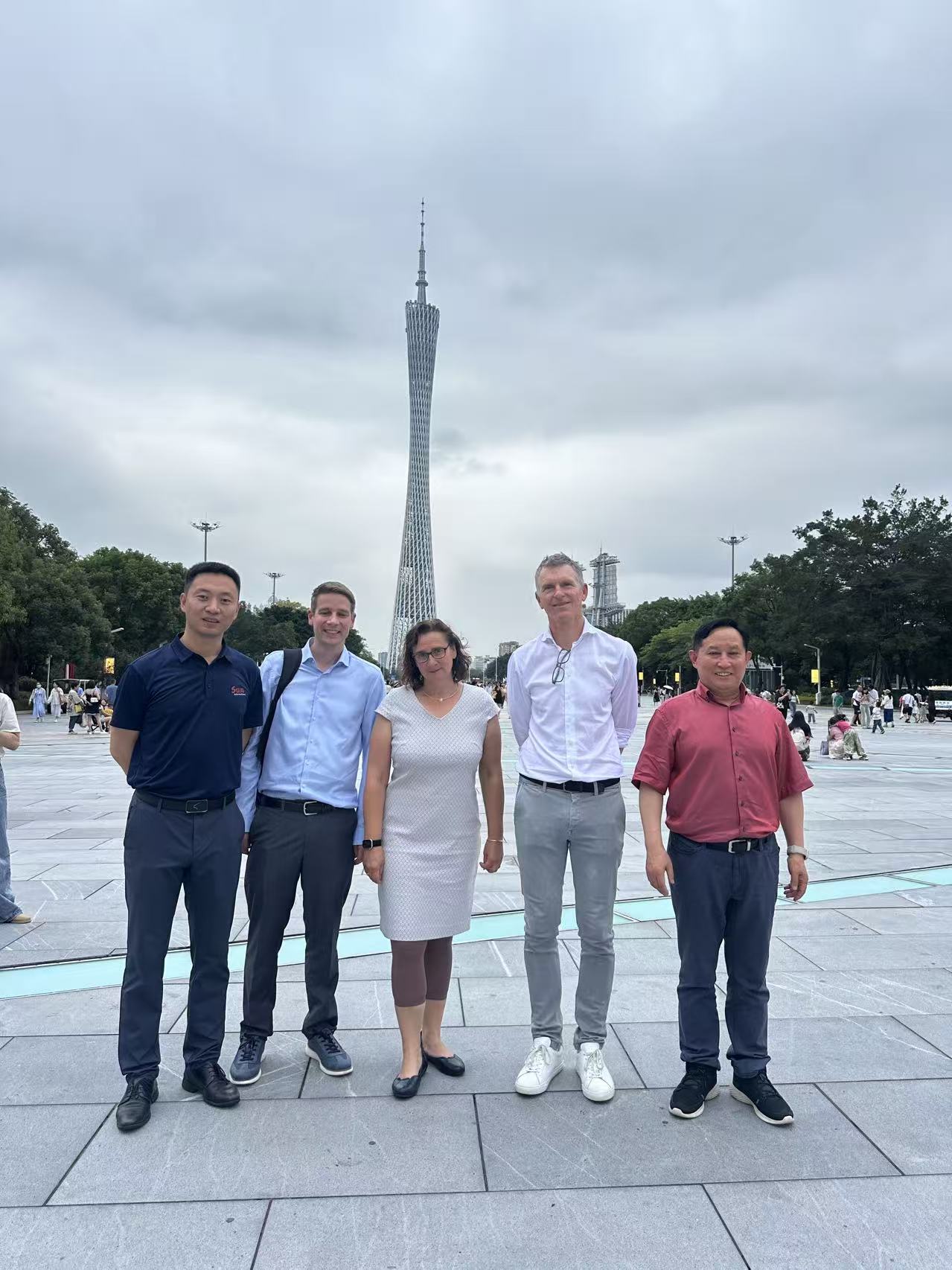
Figure 1: President Schattauer and the TU Clausthal delegation exchange views with Clausthal alumni in Guangzhou
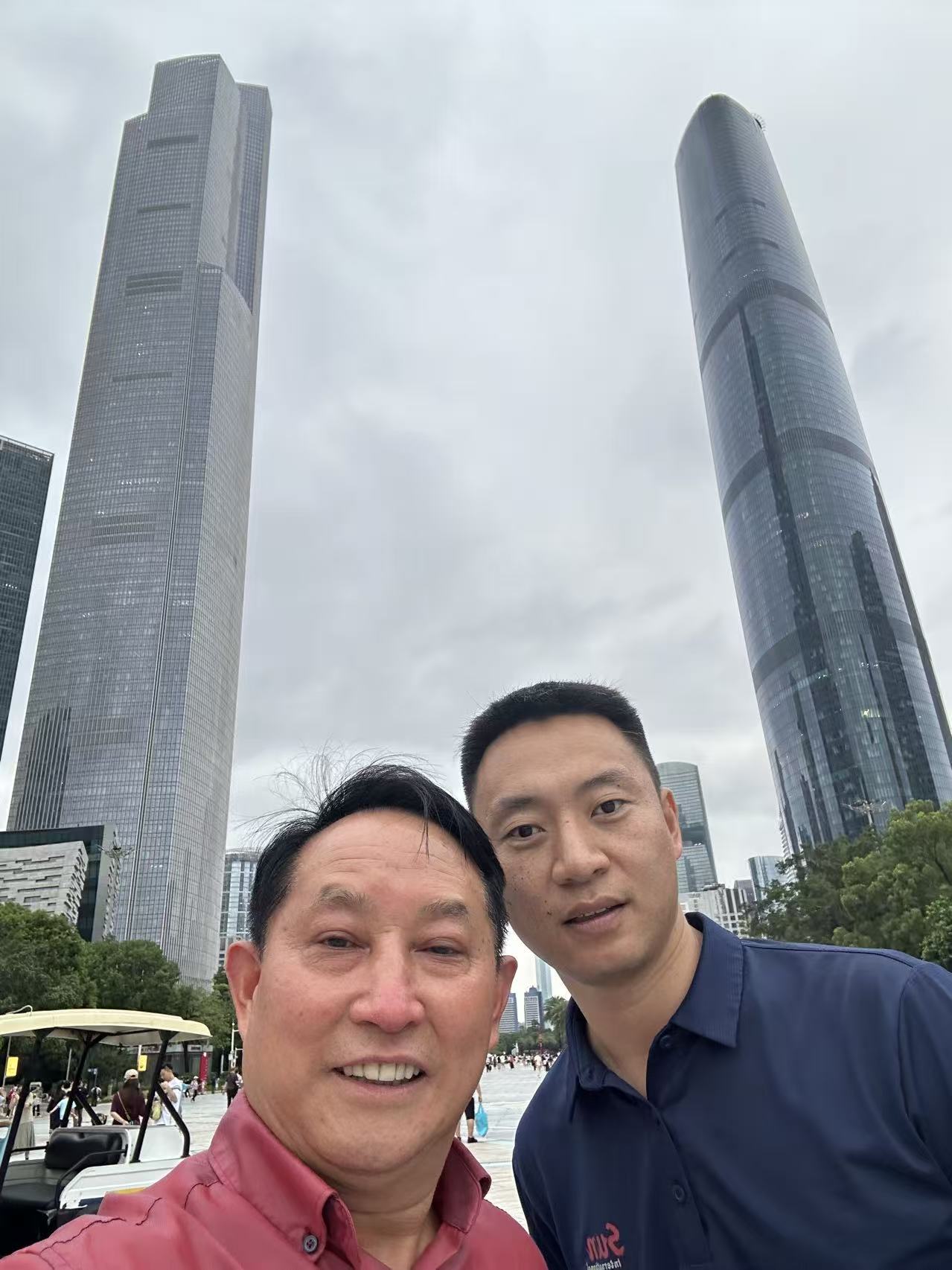
Figure 2: Prof. Dr.-Ing. Michael Zhengmeng Hou with alumnus Jianxin Yin. Prof. Hou supervised Yin during his master’s studies.
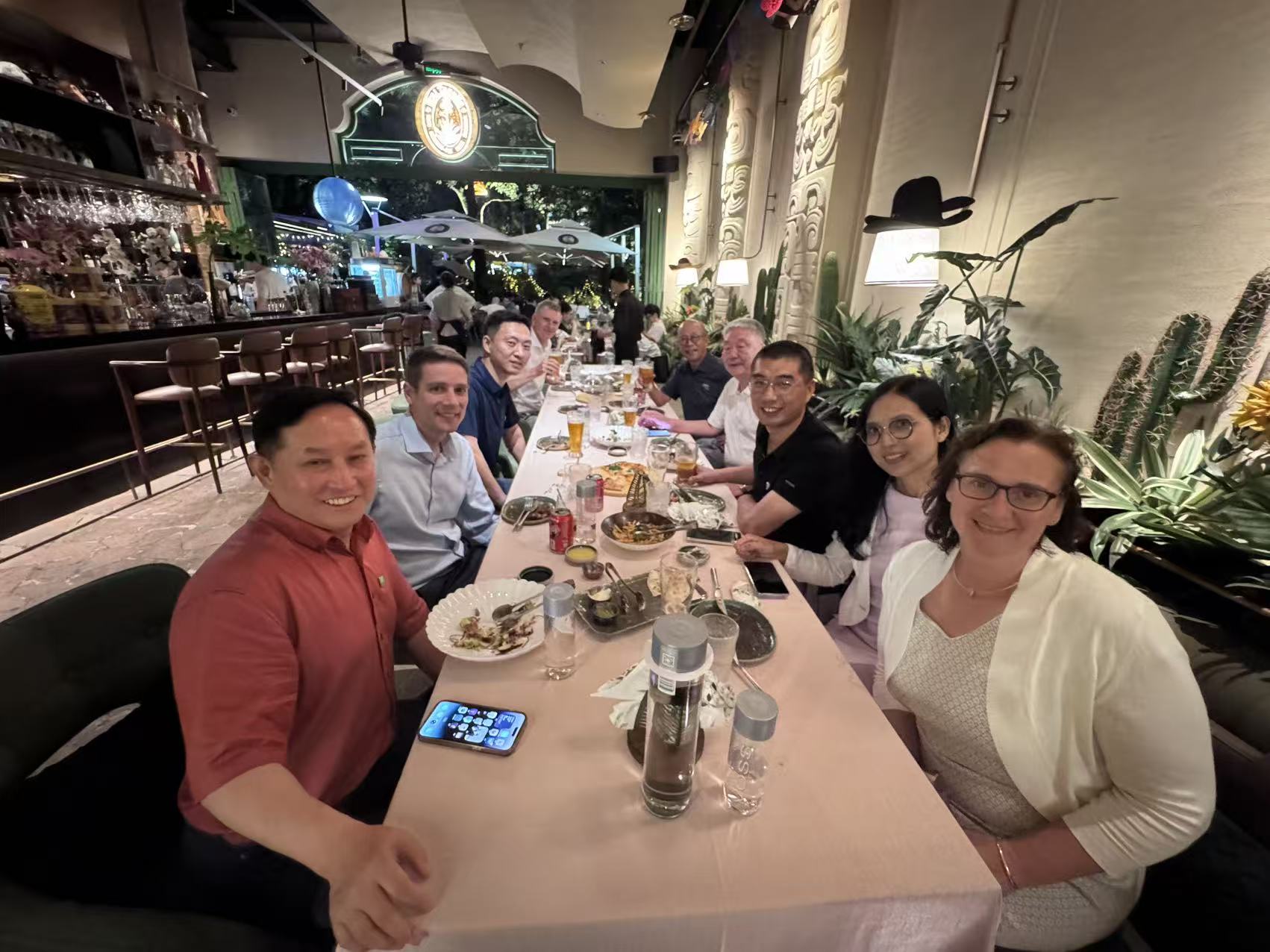
Figure 3: Teachers and former students reunite in Guangzhou, sharing their enduring Clausthal bond